Grow Your
Private Forest
Your Land Deserves to Breathe.
Urban forests that elevate property values,
resident wellness, and ecological legacy.

How It Works
Soil Analysis
Site reconnaissance and mapping - Soil texture and infiltration assessment - Soil nutrient and organic carbon analysis.
1
Species Selection
Identification of potential native vegetation - Primary Survey of existing natural forests. Finalization of 50+ native species.
2
Site and Soil Preparation
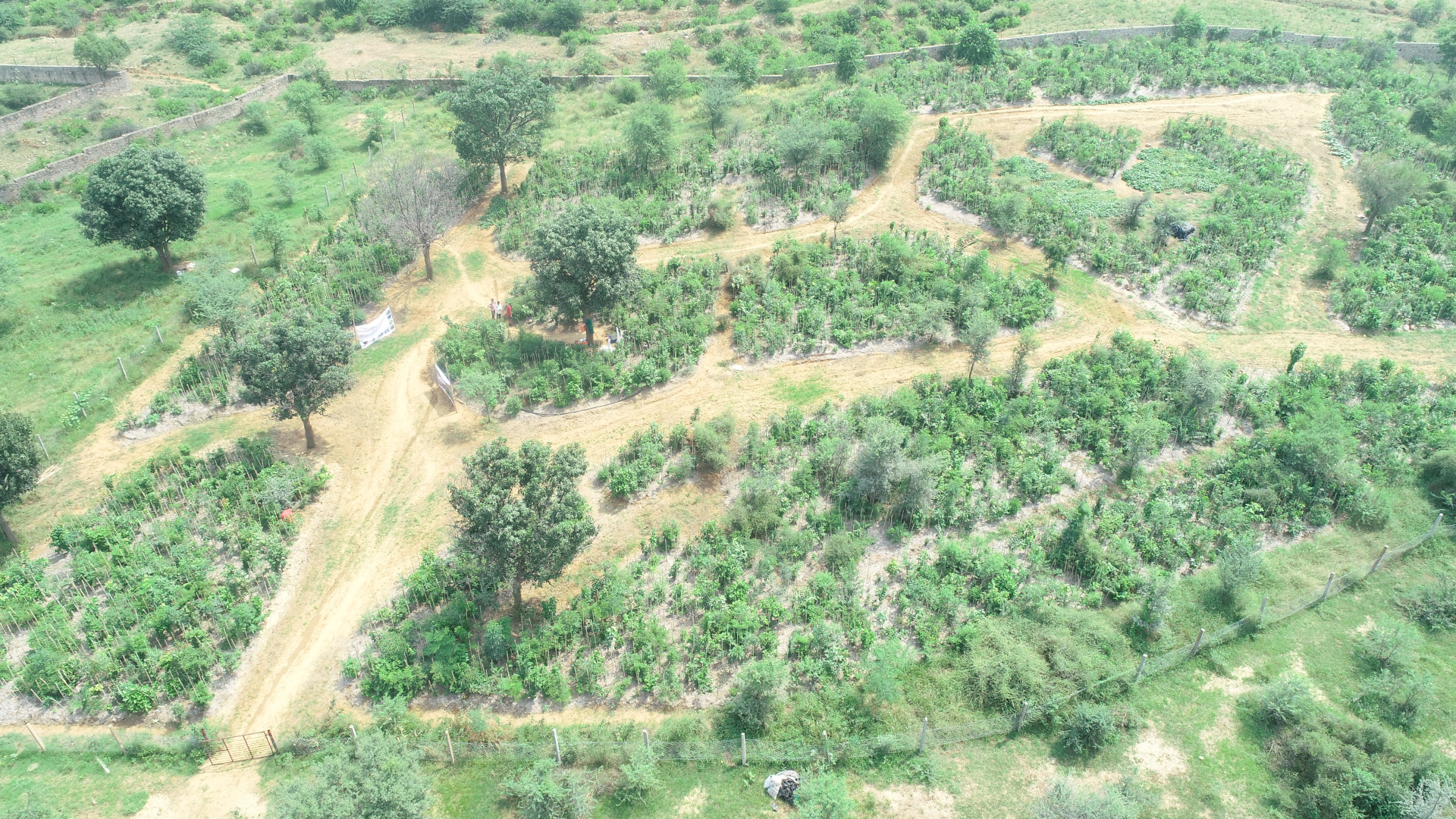
Preparation of planting layout, site clearing and marking. Irrigation setup, soil loosening up to ~1 m depth mixing of biomass, organic manure, and soil conditioners
3
Plantation
Randomized 3 saplings per sqm in layered configurations – Shrub, Sub-tree, Tree, Emergent tree layer. Installation of support sticks, Mulching with dry organic material.
4
Monitoring till Self-Sustaining Forest
Monitor the Growth rates, Species performance, Photographic documentation. By Year 3, the forest is maintenance-free and self-regenerating.
5
Native . Multi-layered . Urban forestry
Min 1,000 sqm area for a mini-forest to thrive
Ecological Integrity
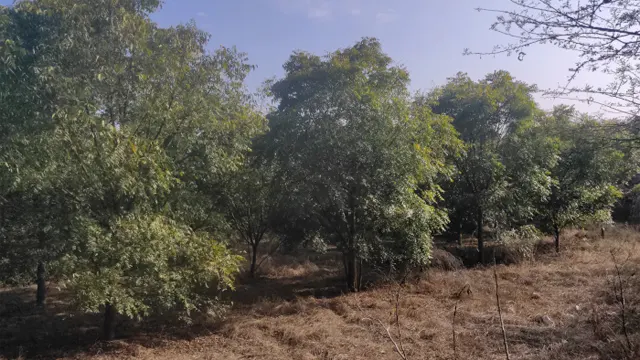
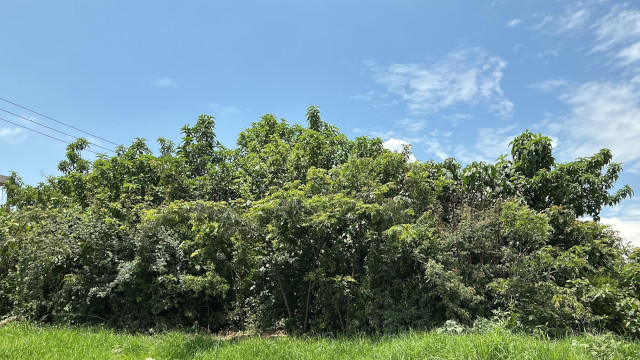
100% native species, zero monocultures — forests that self-sustain after Year 3.
Speed & Scale
Miyawaki technique yields 30-year forest maturity in just 3 years.
20–30% Property Premium
Homes and plots adjacent to managed green spaces consistently fetch higher valuations.
Regulatory & ESG Edge
Green belts help meet municipal green cover mandates and boost ESG ratings for listed developers.
Natural Forest Produce
Fruit-bearing and medicinal native trees provide produce for residents—an exclusive lifestyle differentiator.
Why Forest ?
Dust & Noise Barrier
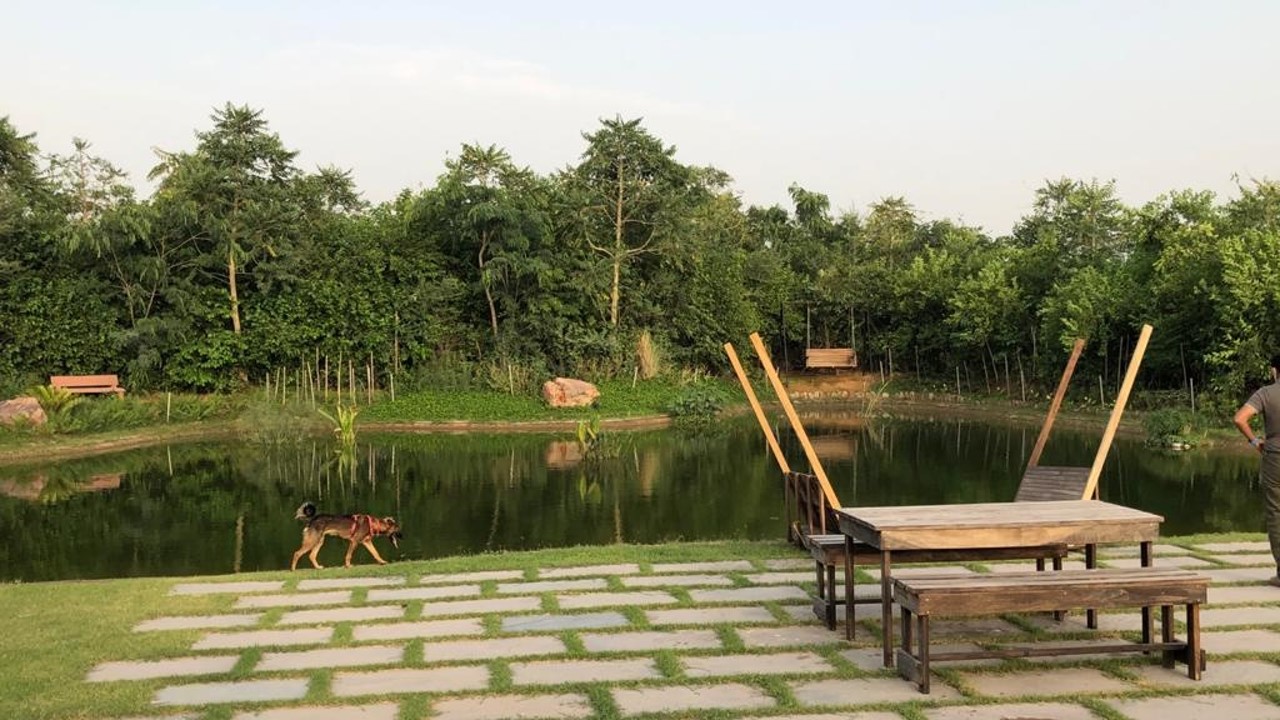
A forest perimeter blocks dust, sand, and noise pollution—creating a serene microclimate.
Groundwater Recharge
Dense native root systems dramatically improve rainwater percolation and aquifer recharge.
Urban Heat Mitigation
Canopy shade and transpiration lower local temperatures by 3–7°C vs. concrete surroundings.
Air Quality
50+ native species absorb particulates and CO₂, improving AQI for residents year-round.
Soil Erosion Control
Interlocked root networks prevent topsoil loss, stabilizing land across seasons.
Biodiversity Habitat
100× greater biodiversity supports insects, birds, and small animals—a living ecosystem.
Frequently Asked Questions
What financial return can I expect from building a forest on my land?
A forest isn’t a fixed deposit — but it is a compounding asset. The most direct returns come from property appreciation: your land with lush green vegetation commands a 20–30% price premium over comparable barren plots with degraded soil. A mature multi-layered forest is maintenance free (typically within 3 years) compared to a land-scaped park.
What about carbon credits — I've heard forests generate income from carbon?
Carbon credits are real, but we’ll be honest: at current Indian market rates, they are a bonus, not a business case. A 1-acre Miyawaki forest sequesters roughly 5–10 tonnes of CO₂ per year — that translates to modest income at today’s voluntary carbon prices Therefore, carbon credits will be meaningful at large scale considering the documentation and auditing process.
How is Dharti Amrit different from hiring a landscaper or a nursery to plant trees?
A nursery gives you trees. We give you a forest — and those are fundamentally different things. A landscaped garden needs permanent maintenance, uses ornamental or exotic species that don’t build biodiversity, and has no ecological function beyond aesthetics. A Miyawaki forest is engineered from 50+ native species selected specifically for your soil and local climate, planted at 3–5 per square meter in layered canopy configurations that mimic natural forest density. The result is more biodiversity, 30× denser growth, and a self-sustaining system that needs no intervention after Year 3.
My land is just sitting idle. Why not sell or develop it instead?
That’s entirely your call — and a forest doesn’t prevent you from developing later. A native forest takes time to build and once built, the soil health becomes rich. Bare land depreciates in opportunity cost terms. A forested land appreciates ecologically and in market perception, particularly as conscious buyers and developers increasingly factor green cover into valuations.
Grow Building Your
Green Legacy Today
Lorem ipsum dolor sit amet, consectetur adipiscing elit.
t elit tellus, luctus nec ullamcorper mattis, pulvinar dapibus leo.