

Rewilding our Earth.
Turning idle land into a productive asset without ecological exploitation.
Area under operation
Presence in States
Plants species managed
Why Agroforestry?
Establish financially viable diversified commercial plantations across India.
Generate staggered and recurring revenue streams across short, medium, and longterm horizons.
Reduce agricultural investment risk through crop diversification.
Improve soil organic matter and land productivity
Create scalable plantation models suitable for institutional and private investment
Support medicinal plant value chains and rural livelihoods
Enhance long-term carbon sequestration and ecological restoration
Demand for the specific commodities Dhartiamrit cultivates is expanding rapidly :
Medicinal & Ayurvedic raw materials (Ashwagandha, Shatavari) - driven by global nutraceutical boom growing at 14%+ CAGR
Moringa - among the fastest-growing functional food exports from India
Pomegranate - strong domestic and export market with consistent price floors
Sandalwood heartwood & oil - global supply consistently below demand; global price rising ~25% year-on-year.
Dhartiamrit Ecoservices Pvt. Ltd. provides a turnkey integrated commercial plantation model that combines medicinal shrubs, fruit crops, fast-growing nutritional trees, and high-value timber species into a single diversified agroforestry investment platform. The model is designed to generate:
- Short-term recurring cash flow from medicinal crops
- Medium-term annual income from fruit and nutritional tree harvests
- Long-term high-value timber returns
- Reduced financial and ecological risk through crop diversification
- Regenerative land-use benefits with long-term asset creation
Short-Term
Yr 1 onwards
Ashwagandha & Shatavari
Rs 20,000-40,000/acre/yr
MEDIUM-TERM
Yr 3 onwards
Moringa & Pomegranate
Rs 45,000-1,10,000/acre/yr
LONG-TERM
Yr 15 +
Sandalwood Timber & Oil
Rs 30L-50L/acre (terminal)
FOREST RESTORATION
Growing Greener Forests For A Sustainable Future
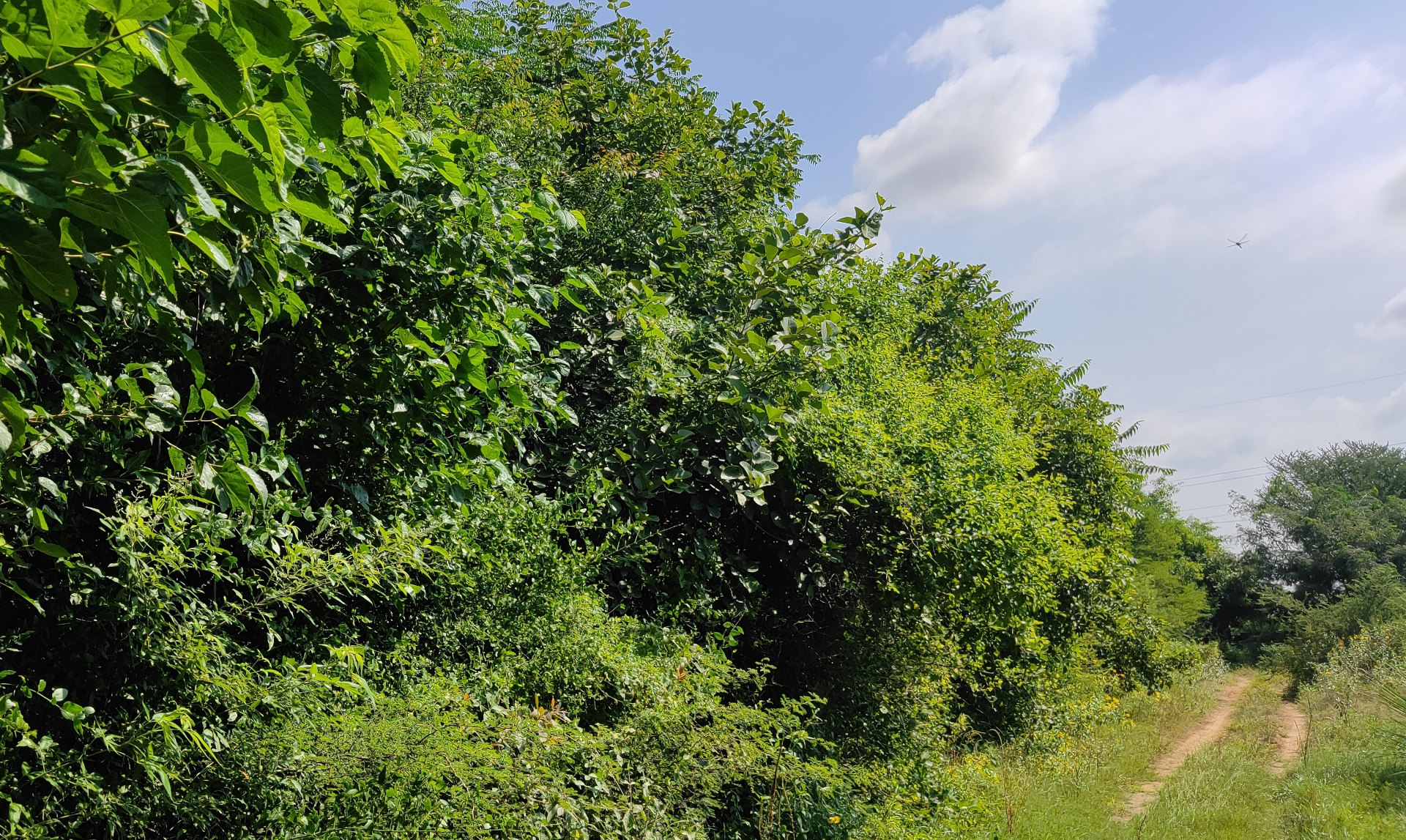
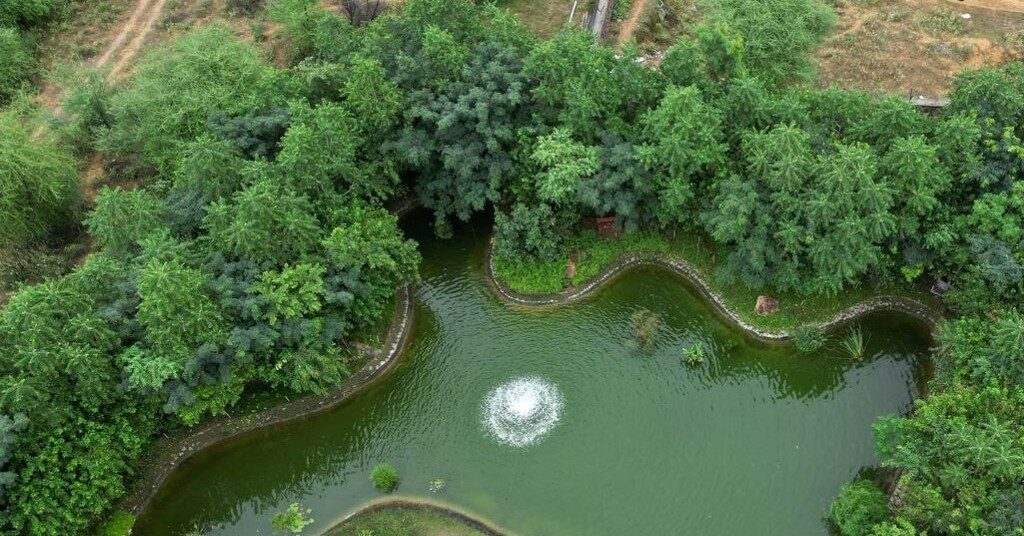
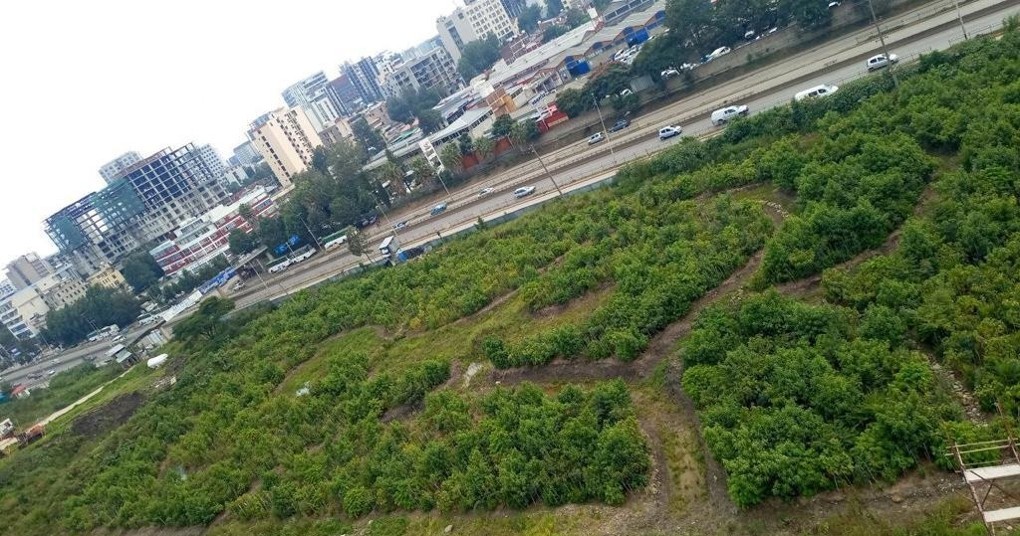
We create dense, self-sustaining forests using native plant species that restore biodiversity, improve air quality, and support wildlife habitats naturally.
Saplings Planted
Forest Projects
Species Planted
States Across India
Dhartiamrit's Unique Advantages
Proven Track Record
51 completed projects across 11 states and 2 countries. Over 5 lakh native trees planted. 400+ species deployed. An operational history that most agroforestry startups lack.
Turnkey Execution
Dhartiamrit handles everything: soil analysis, site design, species selection, planting, irrigation, maintenance, harvest logistics. Investors and landowners are passive beneficiaries.
Portfolio Risk Architecture
Five species, five market segments, three harvest timelines. No single crop failure can impair overall investment returns. This mirrors the diversification logic of a balanced financial portfolio.
Scientific Methodology
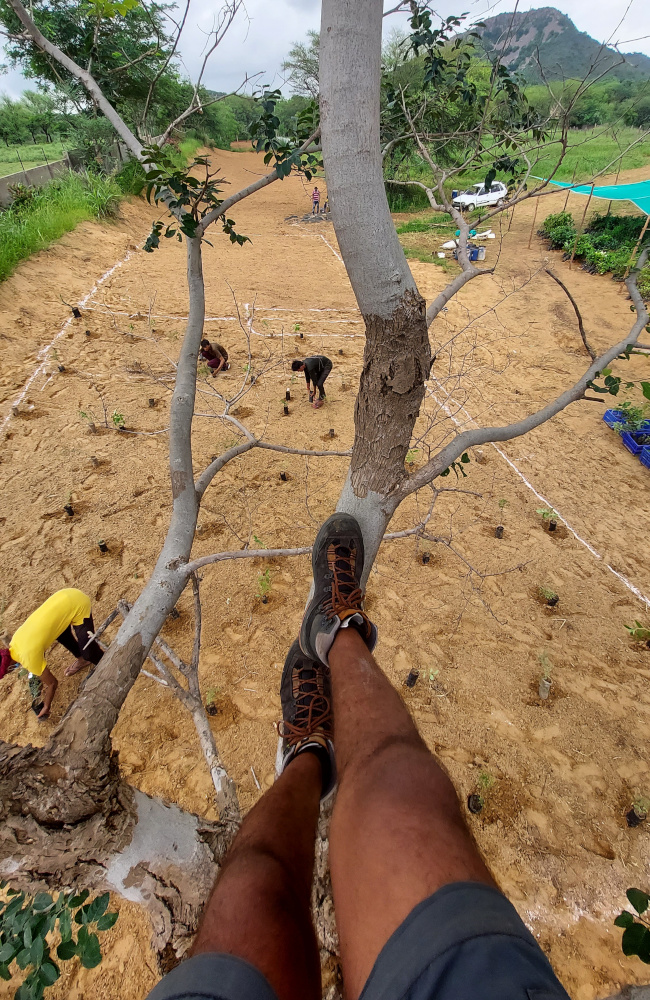
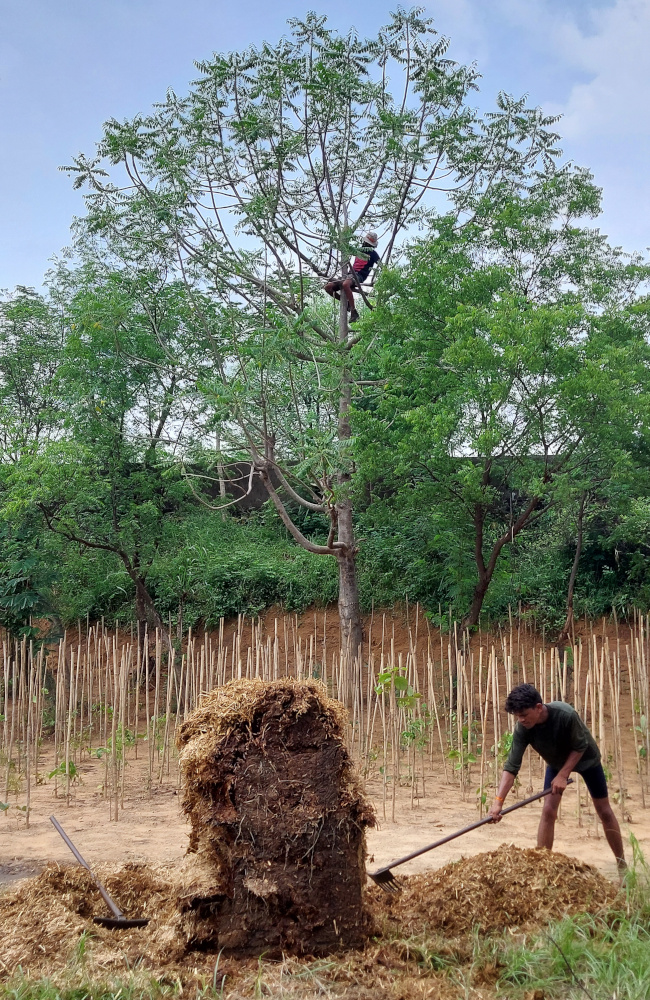
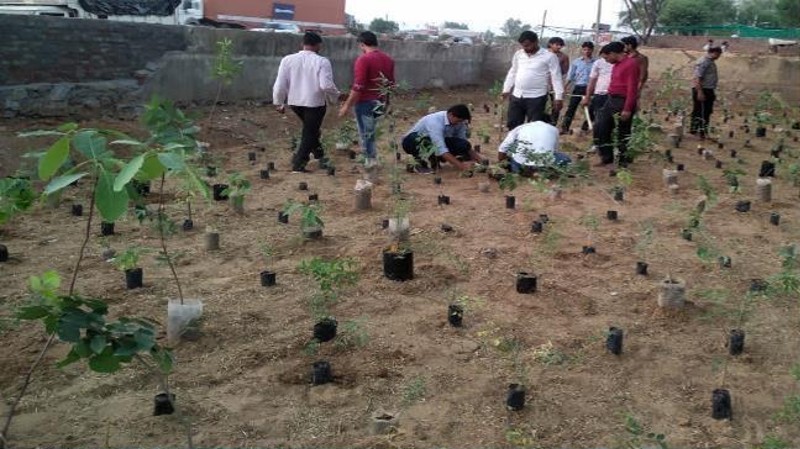
Experienced with Dr. Akira Miyawaki’s dense multi-layered native forest creation, combined with the Dry Plantation One-Litre Technique, Dhartiamrit uses scientific methodology to ensure one of the highest survival rates.
Plantation

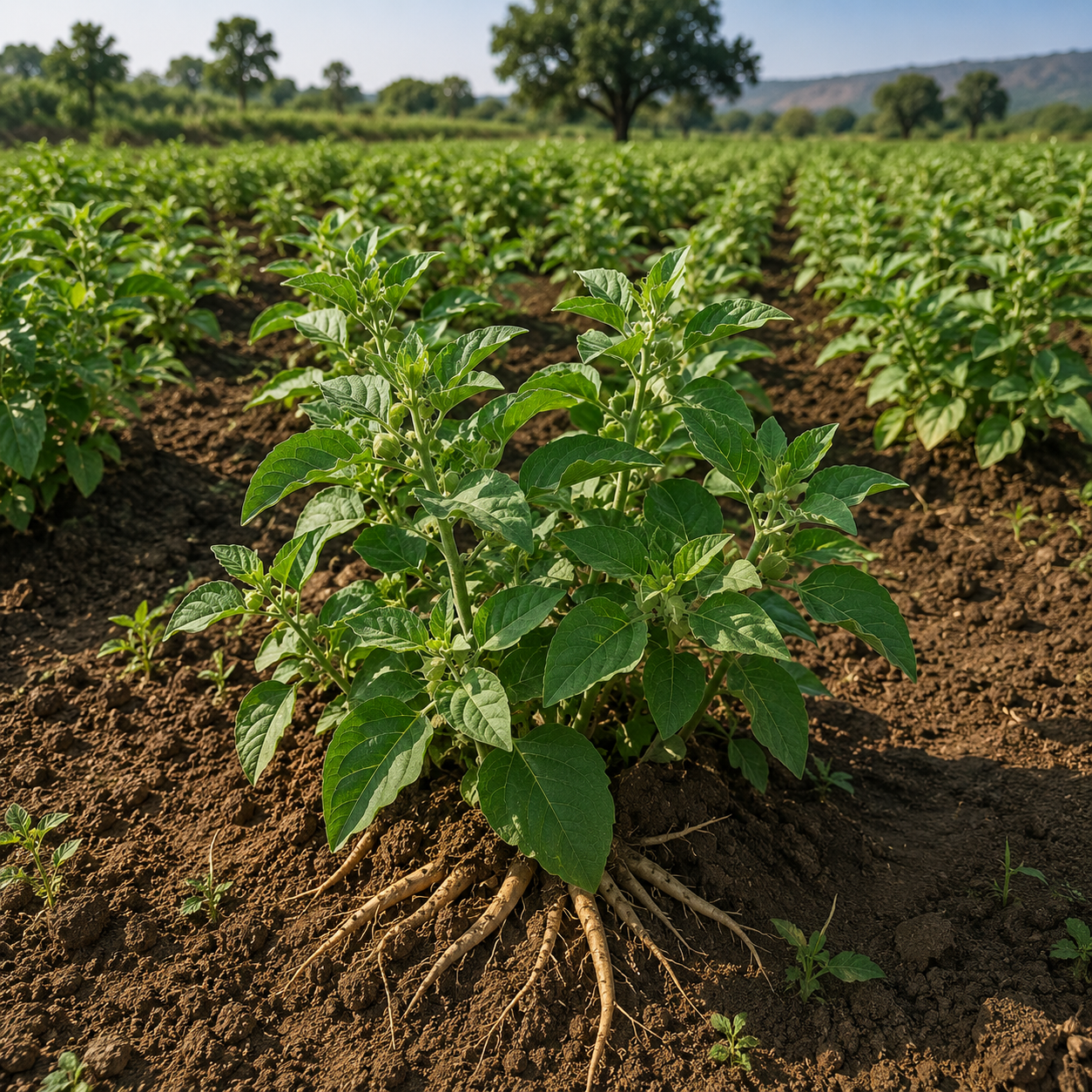
Ashwagandha (Withania somnifera)
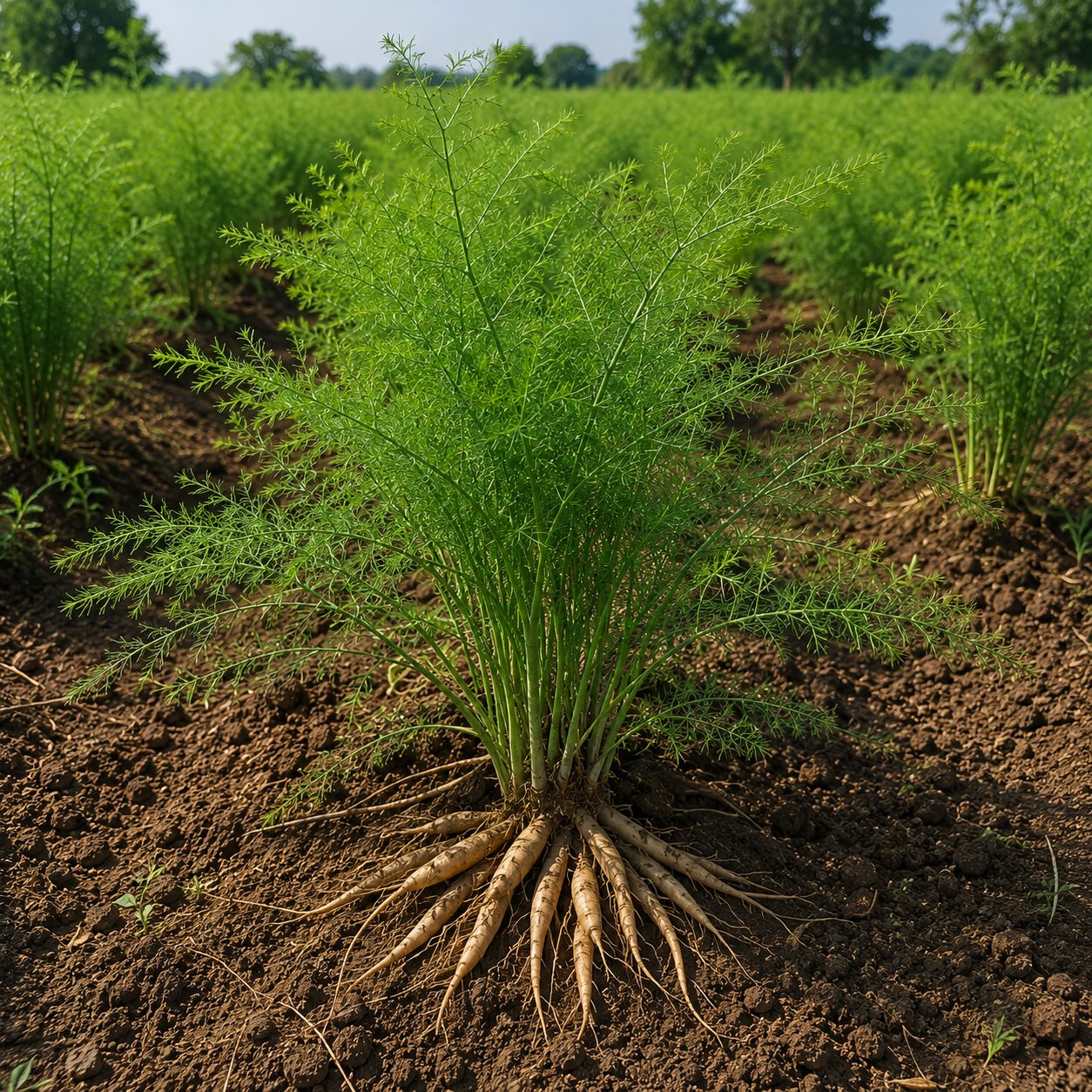
Shatavari (Asparagus racemosus)
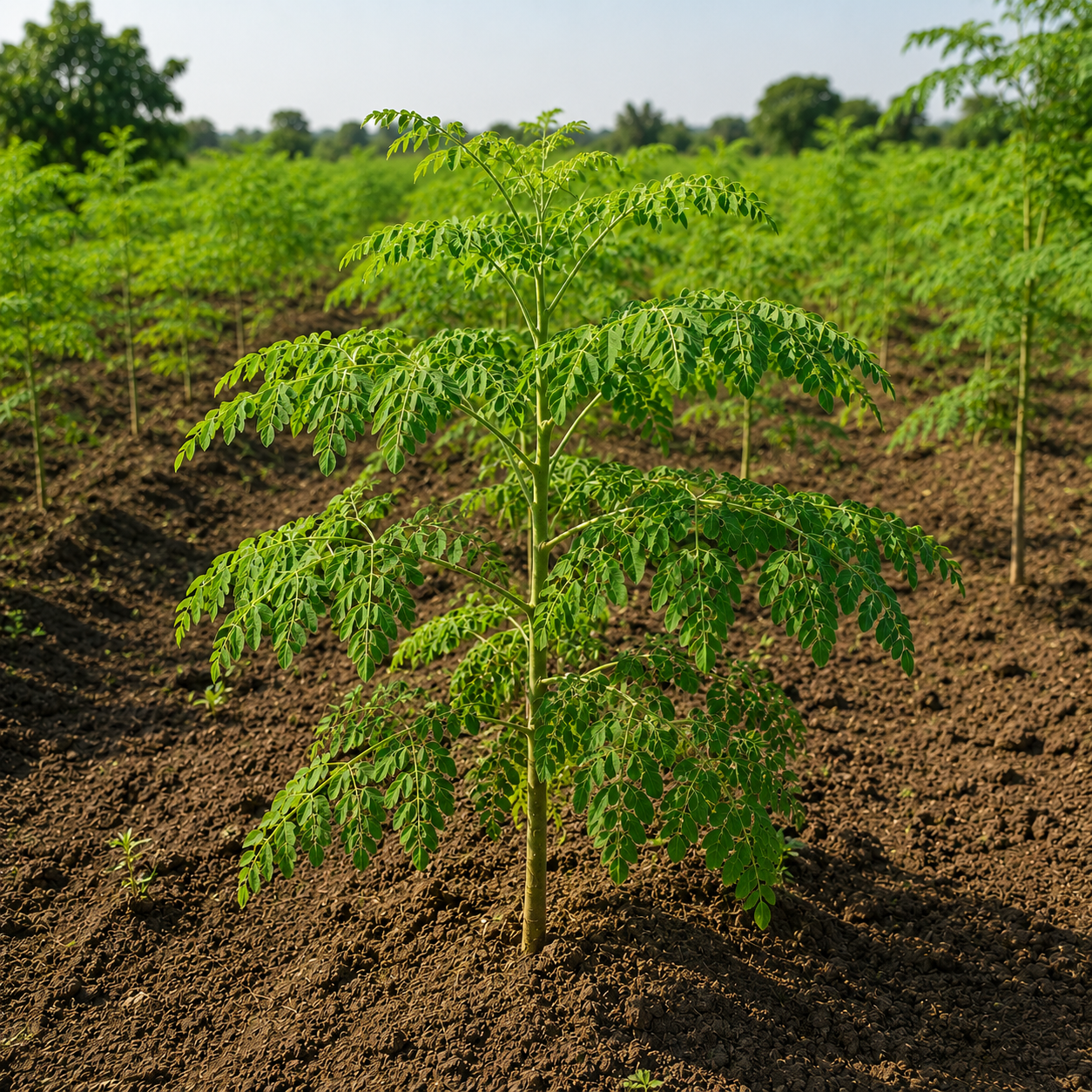
Moringa (Moringa oleifera)
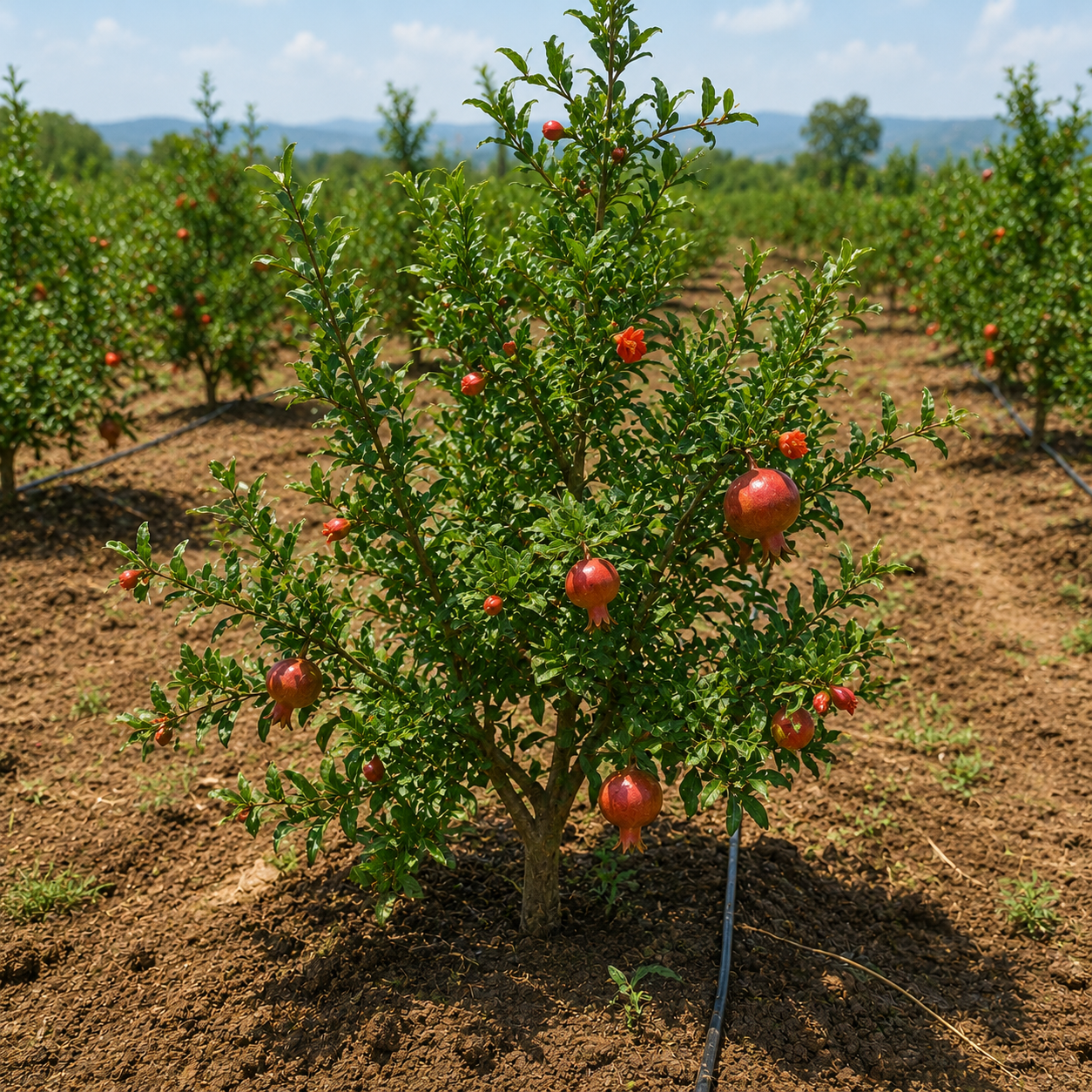
Pomegranate (Punica granatum)
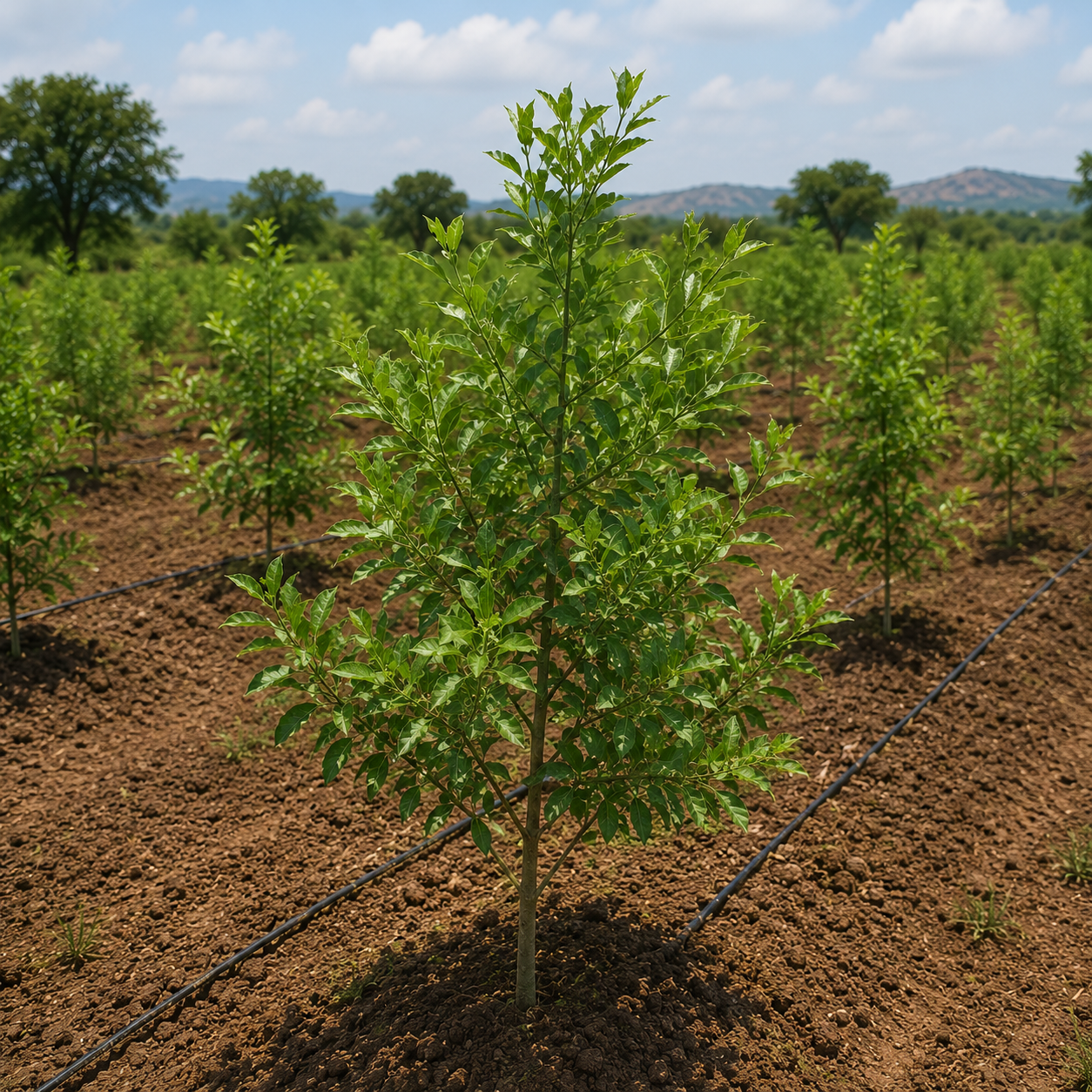
Sandalwood (Santalum album)
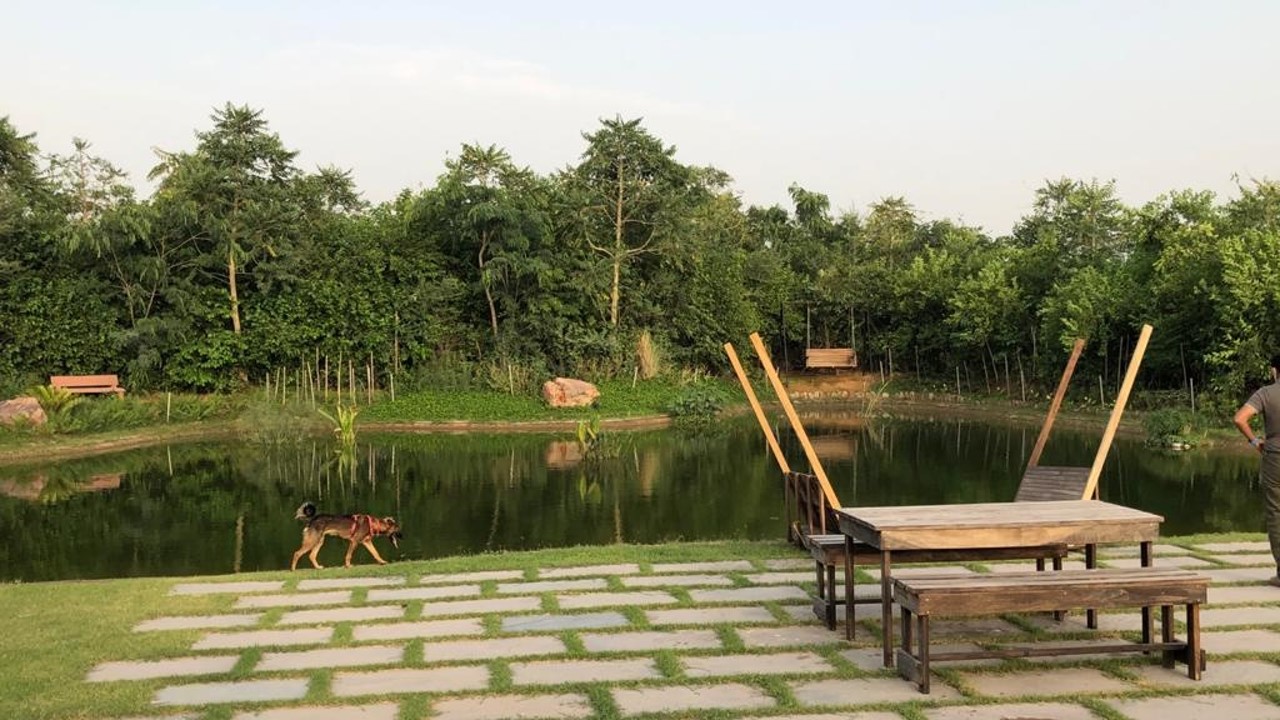
Featured Projects
Creating Sustainable Forests That Restore Nature
Explore our successful plantation and reforestation projects designed to increase biodiversity, improve environmental balance, and create greener ecosystems for future generations.
Stories From The Field
Voices From Communities Growing Greener Futures
Discover inspiring stories from individuals and communities who are transforming landscapes through sustainable plantation initiatives and environmental conservation efforts.
Join Us
Together, We Can Build A Greener Tomorrow
Faqs
Frequently Asked Questions
How is this different from conventional farming on my land?
Conventional farming typically involves one crop per season — which means one market, one weather event, or one price drop can wipe out an entire year’s income. Dhartiamrit’s agroforestry model plants five species across three canopy layers, so multiple crops are always in production simultaneously.
| Factor | Conventional farming | Dhartiamrit agroforestry |
|---|---|---|
| Crops | 1–2 per season | 5 species, always in production |
| Income timing | Seasonal, harvest-dependent | Year-round across multiple crops |
| Risk exposure | Single crop failure = total loss | No single crop drives returns |
| Soil health | Degrades with chemical inputs | Improves every year — zero chemicals |
| Land value | Static or declining | Appreciates with mature timber asset |
What does 'Turn-key' actually mean? What do I need to provide?
Turnkey means Dhartiamrit handles every aspect of the plantation — soil testing, species selection, planting, irrigation setup, ongoing maintenance, pest management, and harvest logistics. You are a passive beneficiary once the site is ready.
Your one-time contribution to make the site operational:
Beyond this, Dhartiamrit’s Rs 2.25 lakh/acre setup investment covers everything else. No day-to-day decisions, no farm management burden on the landowner.
Sandalwood takes 15 years - is it really worth the wait?
you’re not waiting. The plantation earns meaningful income from Year 2 onwards with the other four crops. Sandalwood is the wealth-creation layer on top of an already-profitable system — not a 15-year gamble.
To put the numbers in context — a 100-acre project generating Rs 1.2L/acre/yr from Year 5 onwards already returns Rs 1.2 Cr per year. The sandalwood harvest at Year 15+ adds Rs 30–50 Cr on top of approximately Rs 8–10 Cr already earned in the first 10 years.
Sandalwood global prices have risen approximately 25% year-on-year, with supply consistently below demand. This means the terminal value is likely to be higher than today’s projections — not lower. Long-term biological assets with rising commodity prices and a captive domestic market are rare. Dhartiamrit manages the host-species requirements and security protocols to protect this asset over its full lifespan.
What if one crop fails or market prices drop for a particular yield?
This is the core design advantage of the model. Five crops across five entirely separate market segments — Ayurvedic medicinals, nutraceuticals, fresh fruit, timber, and essential oils — mean that no single commodity price movement affects more than a portion of your overall returns.
Think of it the way a fund manager thinks about a diversified portfolio: a bad quarter for one sector doesn’t collapse the whole fund. The same logic applies here biologically and financially.
Additional safeguards built into the model: