
Sustainable Solution For a Better Tomorrow
Industrial
Green Cover
Solutions
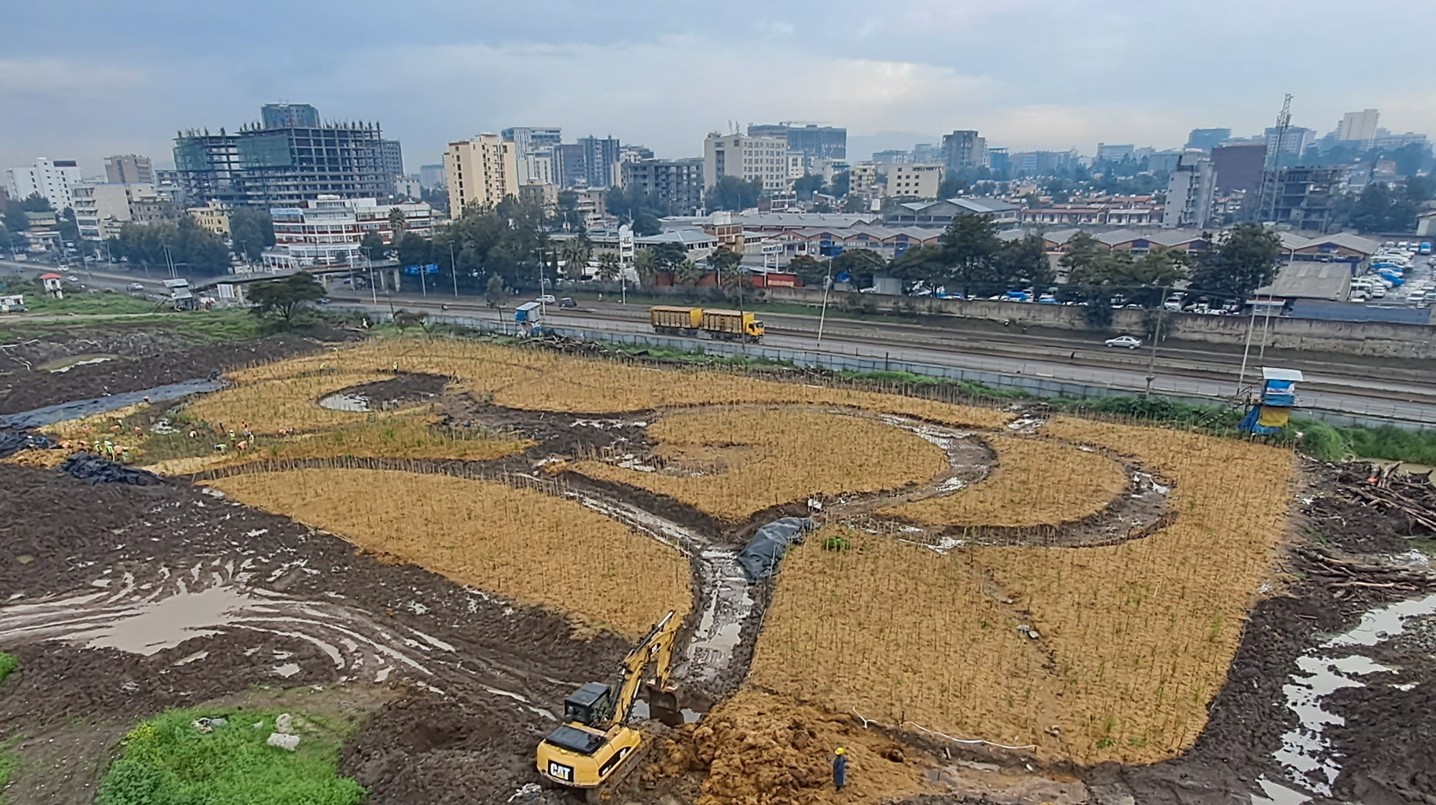
Compensatory afforestation, reforestation, carbon offset. compliance reporting
Trusted by Industries




| Aspect | Typical CSR Plantation Drives | Dhartiamrit Managed Plantation |
|---|---|---|
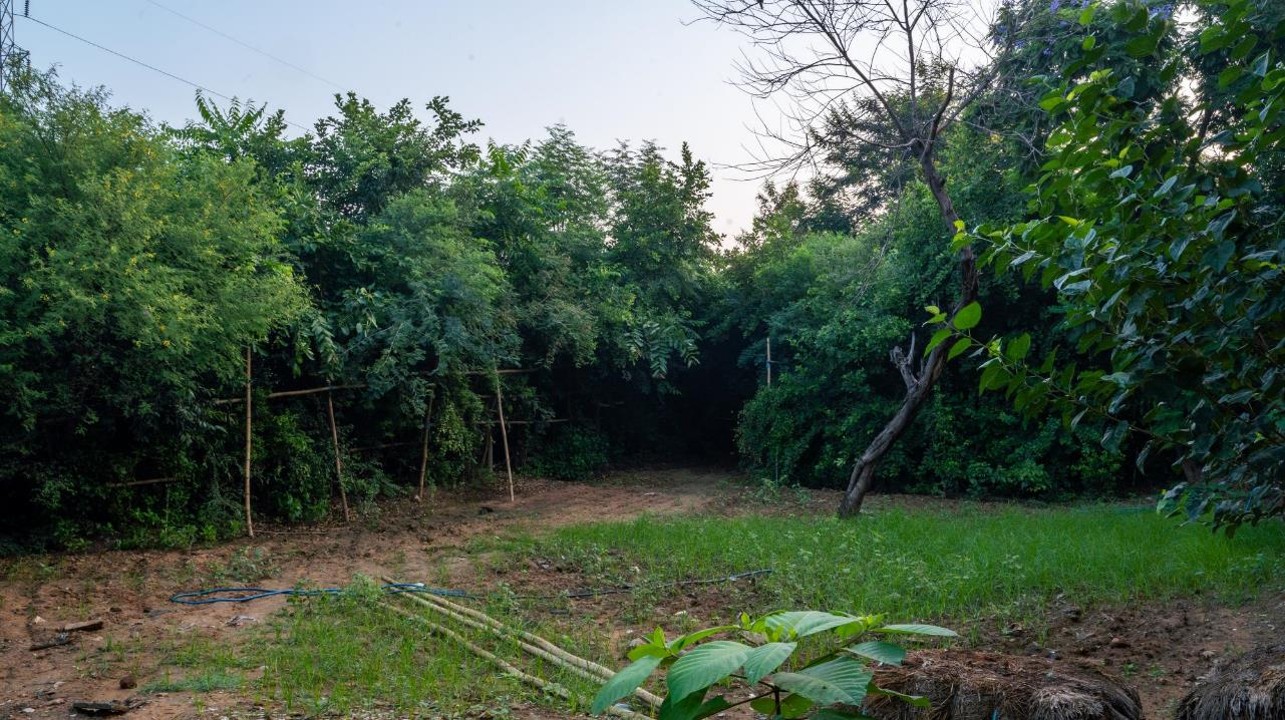
| Species Selection | Single or 2–3 species, often non-native | 400+ species, all native; Miyawaki multi-canopy design |
| Post-planting Care | One-time event; no ongoing management | Ongoing maintenance, irrigation, pest management included |
| Tree Survival Rate | Often 20–40%; not tracked beyond the event | Managed for Green Credit Program (GCP)-qualifying 40% canopy density; survival tracked annually |
| Reporting Outputs | Press photos and a tree count | Annual report: carbon sequestration, species inventory, canopy data, GPS maps |
| Green Credit Eligibility | Usually ineligible — no survival tracking or canopy verification | Plantation designed and managed to meet GCP verification criteria from Day 1 |
| BRSR Core Readiness | Cannot be used as quantified environmental data | Outputs structured for direct use in BRSR Core KPI disclosures |
| Scientific Methodology | No documented methodology; often contractor-managed informally | Miyawaki method + Dry Plantation technique + 51 project track record |
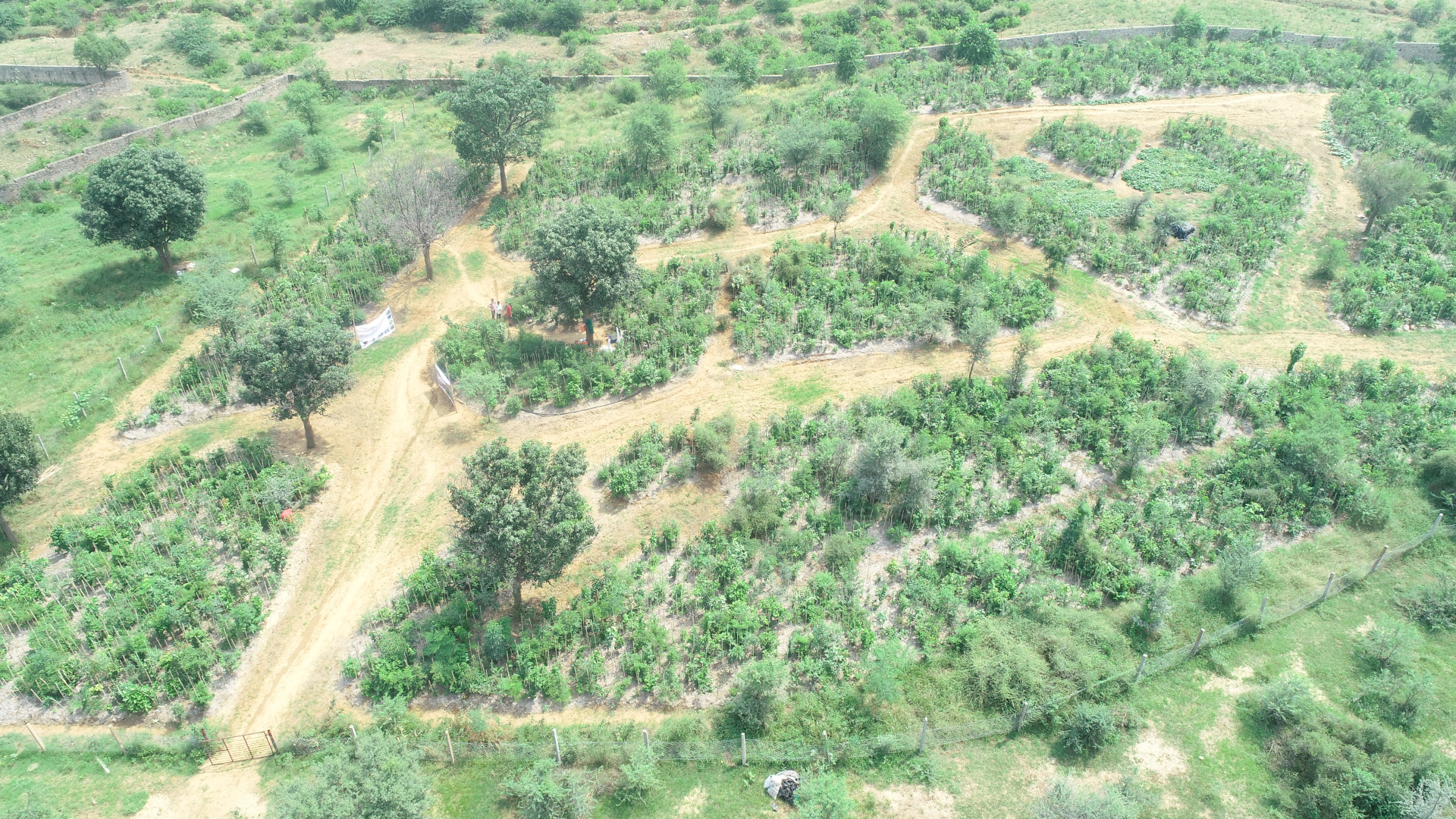
Our Projects
Building With Strength.
Designed for Sustainability.
Testimonials
Whar Our Client Says
Video Section Heading
Faqs
Frequently Asked
Questions
Our industry falls under mandatory green belt requirements. Can Dharti Amrit help us meet these?
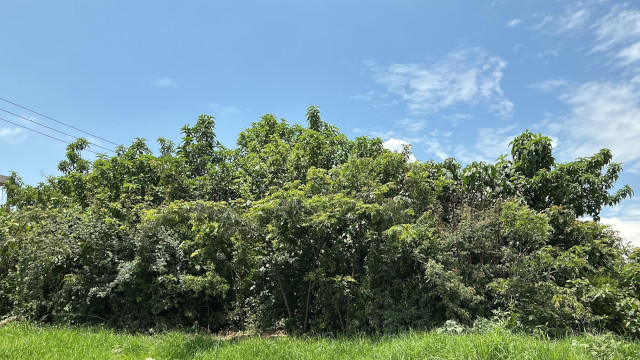
Yes — and more importantly, we help you meet them in a way that survives regulatory scrutiny. Under the Ministry of Environment, Forest and Climate Change, industries in categories Red and Orange are required to maintain green belts covering 25% and 20% of the total plant area respectively. Most companies fulfil this on paper with sparse ornamental plantations that don’t meet the ecological criteria and get flagged during inspections. A Dharti Amrit Miyawaki forest delivers 3 native trees per square metre, multi-layered canopy coverage, and species diversity that demonstrably satisfies CPCB green belt norms. We also provide inspection-ready documentation: species registry, survival rate data, canopy closure measurements, and periodic health reports — so your next audit is a formality, not a risk.
How does an industrial forest help with our BRSR disclosures and ESG ratings?
SEBI’s Business Responsibility and Sustainability Reporting framework now mandates that the top 1,000 listed companies disclose nature-related impacts, dependencies, and actions — including land use, biodiversity, and ecosystem restoration. Vague CSR tree-planting numbers no longer satisfy auditors or institutional investors; they want verifiable, quantified outcomes. A Dharti Amrit forest comes with quarterly monitoring reports covering biodiversity index, canopy coverage percentages, estimated carbon sequestration, and species count — all in a structured format that maps directly to BRSR Principle 6 disclosures on environmental responsibility.
How does our industrial forest interact with India's Carbon Credit Trading Scheme — can we generate or use credits from it?
India’s Carbon Credit Trading Scheme (CCTS), notified under the Energy Conservation (Amendment) Act 2022, is being operationalised through BEE with sectoral baselines being set for energy-intensive industries including steel, aluminium, cement, and textiles. Within this framework, verified afforestation and forest conservation activities are recognised as eligible offset mechanisms — meaning industries that cannot fully meet their emission reduction targets through process changes alone can use verified nature-based offsets to bridge the gap. A Dharti Amrit forest generates a time-series of monitored, documented carbon sequestration data from Day 1, which forms the baseline for any future credit issuance or offset claim. We work with accredited third-party verifiers to ensure your forest’s carbon accounting meets the MRV (Measurement, Reporting, and Verification) standards that CCTS offset protocols require.
Our plant is in a region with poor air quality and high dust — can a forest make a measurable operational difference, beyond just compliance?
It can, and for industries in dust-heavy sectors like cement, steel, and aluminium, the operational case is as strong as the regulatory one. A dense Miyawaki forest along your plant perimeter acts as a living air filtration system — particulate matter, SO₂, and NOx are absorbed by leaf surfaces and root systems at rates that sparse ornamental landscaping cannot approach. Studies on dense native plantations show measurable reductions in particulate load within 100–200 metres of a mature forest edge. For plants near residential zones, this directly reduces the risk of community complaints, NGT petitions, and the associated operational disruptions that cost far more than the forest itself. A green belt that actually functions as one — dense, native, multi-layered — is also far more defensible before the National Green Tribunal than a row of ornamental trees on a site map.
We have degraded land around our plant — unused buffer zones, mining overburden areas, or disturbed soil. Can forests be established on such land?
We use scientific methods, that outperforms conventional plantation approaches. Our process begins with a detailed soil analysis and amendment protocol — rebuilding microbial life and organic matter before a single sapling goes in. For industries with overburden dumps, fly ash deposits, or chemically disturbed soils near cement, steel, or mining operations, we develop customised species mixes that are proven to establish on degraded substrates. Reclaiming this land into a certified green asset converts a liability on your site plan into a documented ecological and regulatory asset.